

Unless you’ve been living under a Roggenrola for the last few years, you’ll know about the Pokémon TCG’s stock issues. Supply hasn’t been able to keep up with demand, and as frustrations have grown, so has the blame. Scalpers are usually first in the firing line, but investors aren’t far behind.
“Investors are worse than scalpers.” “The PokeInvesting sub is disgusting.” Spend enough time on Reddit, Discord, Facebook, or X and you’ll find no shortage of criticism aimed at people who buy Pokémon cards with future value in mind.
I’ll admit that I used to see things in fairly black and white terms, too. Collectors collected Pokémon cards. Investors bought them for profit. The two groups sat on opposite sides of the hobby. At least, that’s what I thought.
After speaking with Pokémon investors, collectors, and those who consider themselves somewhere in between, a different picture started to emerge. The people often blamed for the hobby’s problems didn’t describe themselves as opportunists looking to make a quick buck. In many cases, they sounded a lot like collectors.
I spoke to a group of investors on the Elite Fourum, as well as those on social media, and asked about misconceptions that most collectors will have on investors. “That they don’t like Pokémon,” one fan who goes by the nickname ‘swoleking’ said. “Maybe some people only care about returns, but your love for Pokemon and making profitable trades aren’t mutually exclusive.”

The “some people” mentioned by swoleking is referenced by another user. When asked if they think investors are welcome in the community, user ‘CardboardInsanity’ said “Investor culture, as in people who buy & sell to fund their hobby? Yes.”, but they then go on to say that those who came from crypto, sneakers, GME (a reference to the GameStop stock surge from 2021), and those that exploit Pokémon “can go to hell”.
Unsurprisingly, like general collectors, the investor community is split into smaller groups. Elite Fourum’s users resoundingly said they were a crossover between investor and collector, while some leaned towards the latter. Interestingly, the Reddit responses I received were noticeably different, often reflecting the more profit-focused attitudes that several forum users criticised.
“I originally got into Pokémon again three years ago just ripping packs for fun,” a user who wishes to remain anonymous said. “I realised how drastically cheaper it was just to buy singles […] it became a fun game to see how much I could finesse to maximise value.”
Based on the anonymous user’s words, the outcome was tripling their value. After putting in “just under $500,000” in total, they claim they have made a collection worth nearly $1.5 million. They’ve since sold $500,000, which they plan to split between “realised profit and into new raws to grade.”
I also asked a Pokémon Discord community, and the Discord collectors and Elite Fourum users shared a common enemy. However, the overwhelming sense was negativity towards all investors. “The only real difference between an investor and a scalper is time.” one user wrote. In fact, another user suggested those who buy and use grading services or those who sell singles are also “scalpers”.
However, the Elite Fourum overwhelmingly say they treat Pokémon cards as collectibles over investments. These aren’t separate, of course, as swoleking puts it: “With investments, people part with their money expecting a future return. With collectibles, people tend to buy the things they like” and as things get more popular, “they start to expect a return.”
This focus on collectibles and investments being intertwined is an interesting aspect - and I don’t mean that in the financial sense. Many speculative investments from the last decade, from NFTs to various cryptocurrency projects, have struggled to maintain the same long-term mainstream interest. Pokémon cards currently exist in a huge boom market. Even outside of the largest franchise, this isn’t exclusive to it, as Stranger Things Funko Pops also sold for extremely high prices in the run up to the series finale.
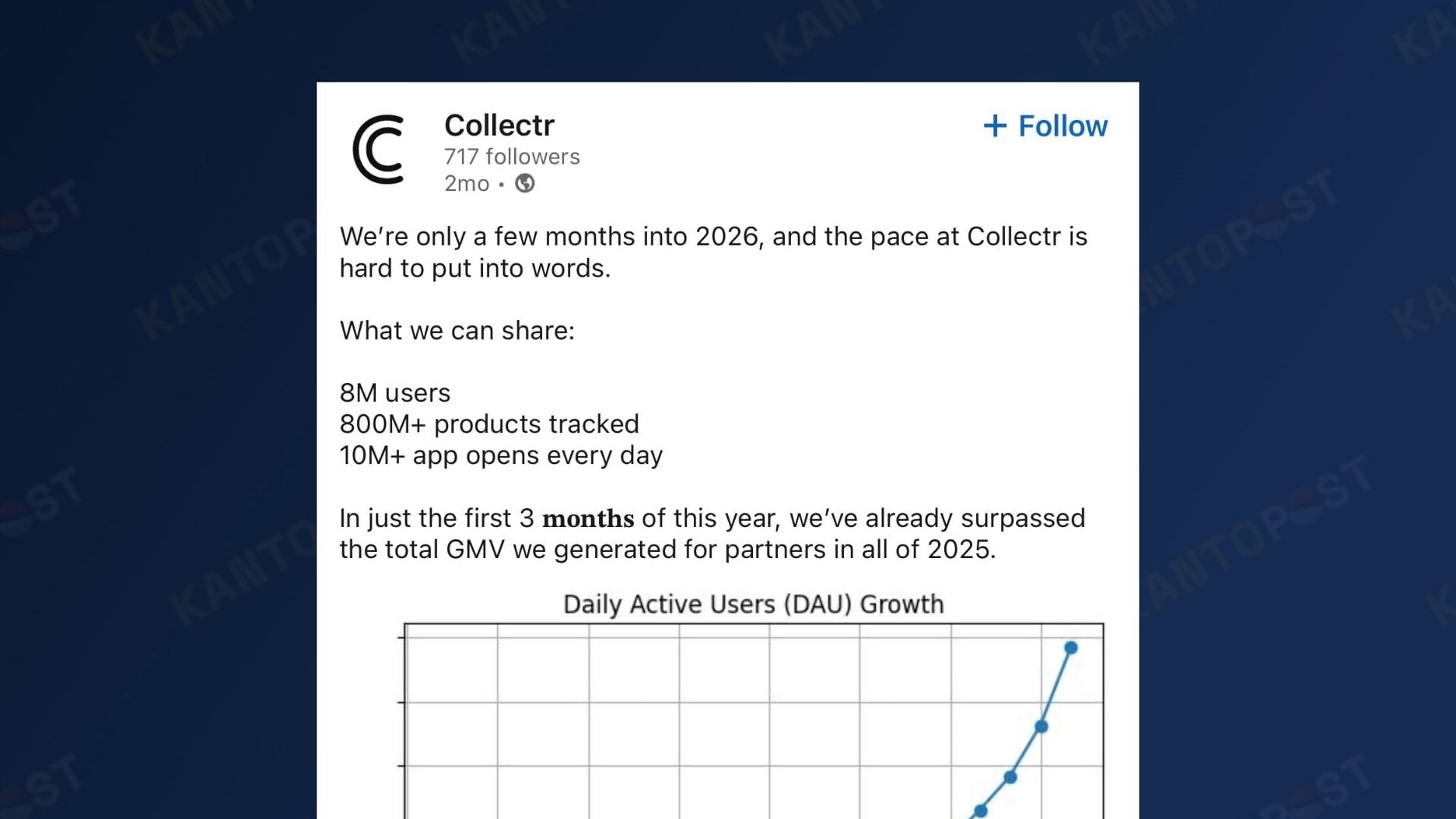
The rise of apps like Collectr and Rare Candy only proves the idea that a lot of the modern investor community is focused on gains. According to the team behind Collectr, there are 10 million app opens every day, and with over nine million users, it surged alongside the recent hype period.
Yet Collectr also demonstrates how difficult it has become to separate collecting from investing. Every card has a chart, every set has a total value, and your collection isn’t a digital binder - it’s a portfolio not too dissimilar to a stock investor’s one. Every element is built around value, and it’s not like a Pokémon set’s checklist you get in every ETB.
This is completely intentional. Even without taking into account the market-focused approach, the very slogan is “Collect. Track. Profit.” And rather than open up on a list of TCGs or with the latest news, it opens on a line graph with a green or red number below your portfolio’s value - are you making returns, or are you losing money?
But this market and collecting hybrid only exists as further proof of what the investors I spoke to believe in - these are collectibles and investments together. “There is more risk associated with Pokémon, but my interest and nostalgia for the Pokemon IP adds an entire dimension of fun and tangibility. […] I feel more connected to what I’m putting my money into.” user ‘Josh’ added to the discussion.
Even without the hope of financial returns, Elite Fourum’s users say they would still collect. If resale value suddenly plummeted, an overwhelming amount would be happy. User ‘Quuador’ says “It honestly would make my collecting journey a lot easier”, while CardboardInsanity’s answer is simple and concise: “Yes. 1000%.”
Investors only work if there’s demand and nostalgia for older products. These are collectors that buy stock intending to hold them for years, potentially decades, waiting for them to make gains. Collectors and investors are in a symbiotic relationship.
Investing in Pokémon can only work if there’s love and nostalgia for the franchise. While modern set value is a Frankenstein’s monster of groups trying to buy stock with weak supply, vintage products are completely reliant on investors to keep them intact.
Investors who are keeping old stock, and even some modern, for quite some time are preserving the state of the TCG at that very point, but without collectors interested in those products, what would be the point? As one user suggested, if Pokémon cards didn’t have that personal value, it would be the equivalent of buying “merchandise from an obscure TV show.”
However, that belief doesn’t change the opinion or tension created by those who are simply collecting cards. When asked about the difference between an investor and a scalper, one user even suggested “the end goal is the same […] to make a profit from the community they’re not involved with.”
But a point kept coming up. “Historic investor culture [is] very different to the investor culture of today”, as one user on the Discord suggested. It’s hard to not believe that this tension between two groups, both of which share similar love for the series in different ways, is not conflated by the current situation.
However, as Quuador puts it, “There are dozens of investors these days, simply because Pokémon is booming and easy to make money in,” but then goes on to say “if there isn’t any love for the hobby, I doubt any of them will make it through.”
Quuador, a moderator of the forums, even brings up the repeating topic. “Investment is meant to be a multi-year plan. ‘Pokémon investors’ are nothing more than scalpers and flippers, here to make a quick buck.”
I even wrote a feature recently about how Pokémon trading was for fun, now it’s about profit margins and charts going up. It’s hard not to see both communities here, rallying against a single subset of people, who despite their similarities, are still withdrawn from each other.
When things are so tough, and any group is struggling to get cards from the hobby they love, it’s easier to see one group as particularly bad or worse. However, that difference isn’t as big as it first appears, and if anything, the line is a little blurrier than I had once thought.
If you enjoyed this article, please make sure to subscribe to our newsletter using the prompt below (or any of the ones above).


