

Grading your Pokémon cards has a lot of benefits. Whether it’s to protect your favorite chases in your personal collection or potentially get those coveted SIRs and sell them on for more money - hey, it’s your stuff, that’s entirely up to you. However, with such a huge range of grading companies that officially grade Pokémon TCG singles, it can be daunting deciding which one to go with. Well, fortunately for you, we’ve got a list of the best card grading services to use for your precious Pokémon cards.
If you’ve got valuable Pokémon TCG cards sitting in binders, grading offers two major benefits: protection and authentication. Slabbing your cards helps preserve them long-term, while higher grades can also increase resale value and collector appeal. Of course, there’s also the bragging rights that come with owning a pristine 10.
Make sure you pick some of the best card sleeves before grading. This helps to protect them, and many services require them.

PSA - best for selling
Pros:
- Best for selling/investment
- Most recognizable grading company
- Fair judgment criteria
Cons:
- Slabs are boring
- Criteria is reliant on human graders
If one company were the grading company, it would be PSA. Despite the brand’s name literally implying a different thing (Professional Sports Authenticator), PSA has been grading Pokémon cards for decades, and considering a lot of value comes from its brand recognition, most vintage collectors and those looking to make quick sales use the service for investment or sales.
PSA’s grading standards are generally seen as more forgiving than companies like BGS, especially when it comes to centering and tiny surface imperfections. That makes PSA 10s more achievable for modern cards, which is one reason the label dominates the resale market. However, sometimes, a PSA 10 can have minor scuffs, while a PSA 8 could be literally perfect. It’s a personal judgment call, and while I think they’re fine, I personally find the slabs dull and outdated. For a personal collection, I’d look elsewhere.
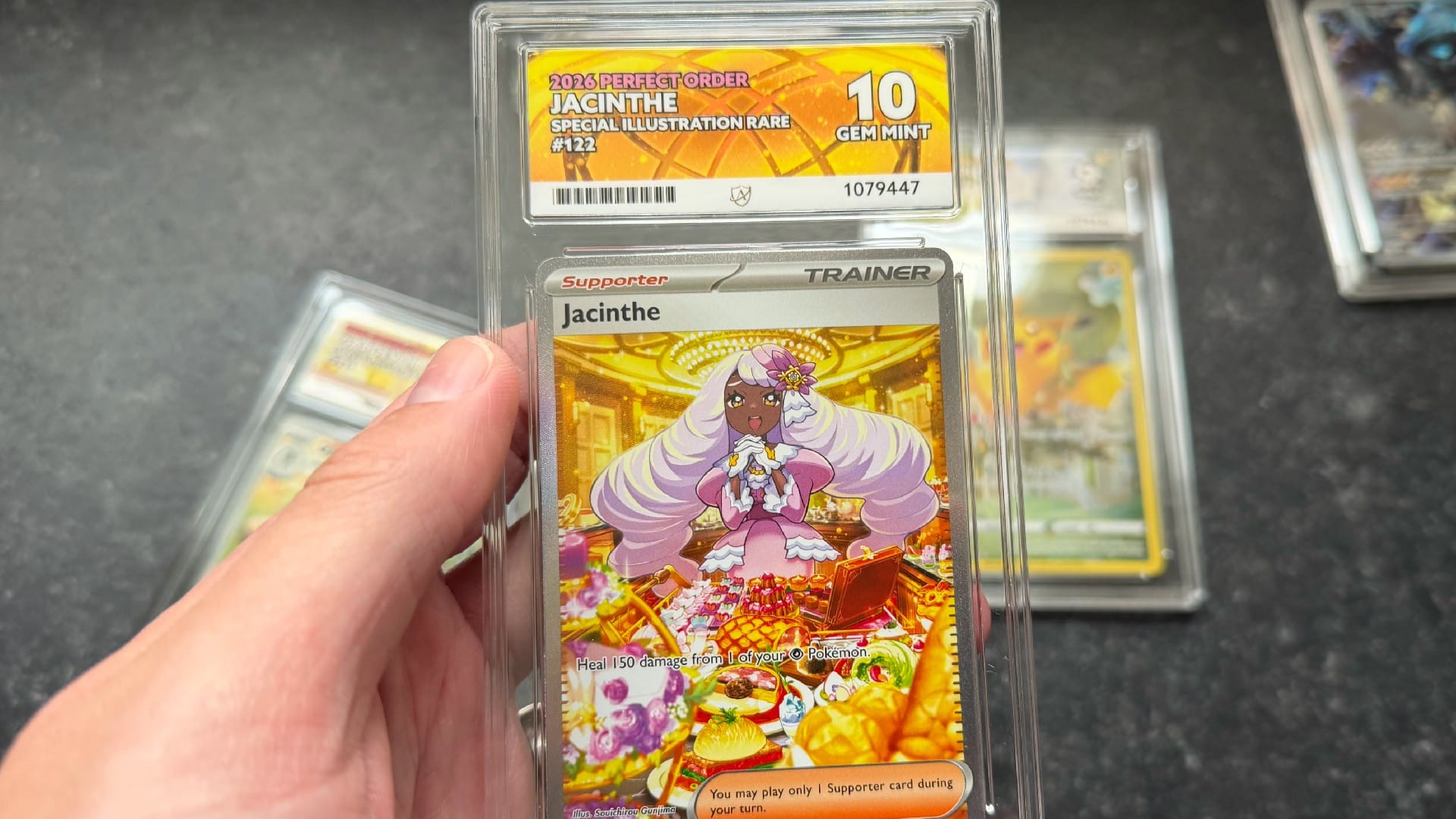
ACE Grading - best looking slabs for collectors
Pros:
- Gorgeous slabs (with artwork label)
- Strict criteria make ‘10s’ worthwhile
- Transparent grading reports (for extra money)
Cons:
- Newer grading service
- UK-based (good for UK collectors)
ACE Grading catches a lot of flak across the Pokémon TCG community, as some people prefer what is already available. Personally, I love them. The ‘artwork labels’ are an additional purchase for a couple of dollars, but they capture the art of each single, making them feel like an all-rounder collectible, not just a purchase for ‘investment’ like PSA slabs may be. As a bonus, you also get a full report on why your cards received whatever grade they did, which makes it feel less random and more reliable.
Centering at a maximum can be a 60/40 split, which makes the valuable 10 grade harder to get. That might be frustrating for some, but collectors looking for as close to a perfect card as possible will find that criterion (and therefore the card) more worth it. However, they’re a new player on the block compared to many grading services, and as a UK-based company, some US collectors may prefer graders on their home turf.

BGS (Beckett Grading Services) - best for those ‘black label’ candidates
Pros:
- Very strict criteria mean a pristine 10 is basically perfect
- ‘Black label’ 10s can go for ridiculous amounts of money
- Decent-looking basic slabs
Cons:
- Very strict criteria, so less likely to get those 10s
- Grades below 10 are seen as less valuable than PSA
The ‘Black Label’. It’s the peak of grading, a label so distinguished, rare, and hard to receive that pretty much any card that gets BGS’ 10 in a Black Label approval reaches ridiculous values over PSA 10s. Thanks to the service’s strict, and I mean ridiculously strict, criteria, a black label 10 is a true epitome of a Pokémon card. That does make it harder to get, but the value… well, it’s worth the risk, so long as you think what you’ve got is a black label candidate.
However, if you’re looking to sell your cards and get a Pristine 10 or below, well, you’ve lost ‘value’ on the market. PSA is seen as the leader, and anything below a Black Label, in modern Pokémon collecting, is seen as less valuable. Even though the slabs are pretty nice, especially compared to PSA, BGS isn’t seen as the best in the industry, so for a personal collection, I’d recommend going elsewhere. Unless you really like seeing the subgrades of your cards.
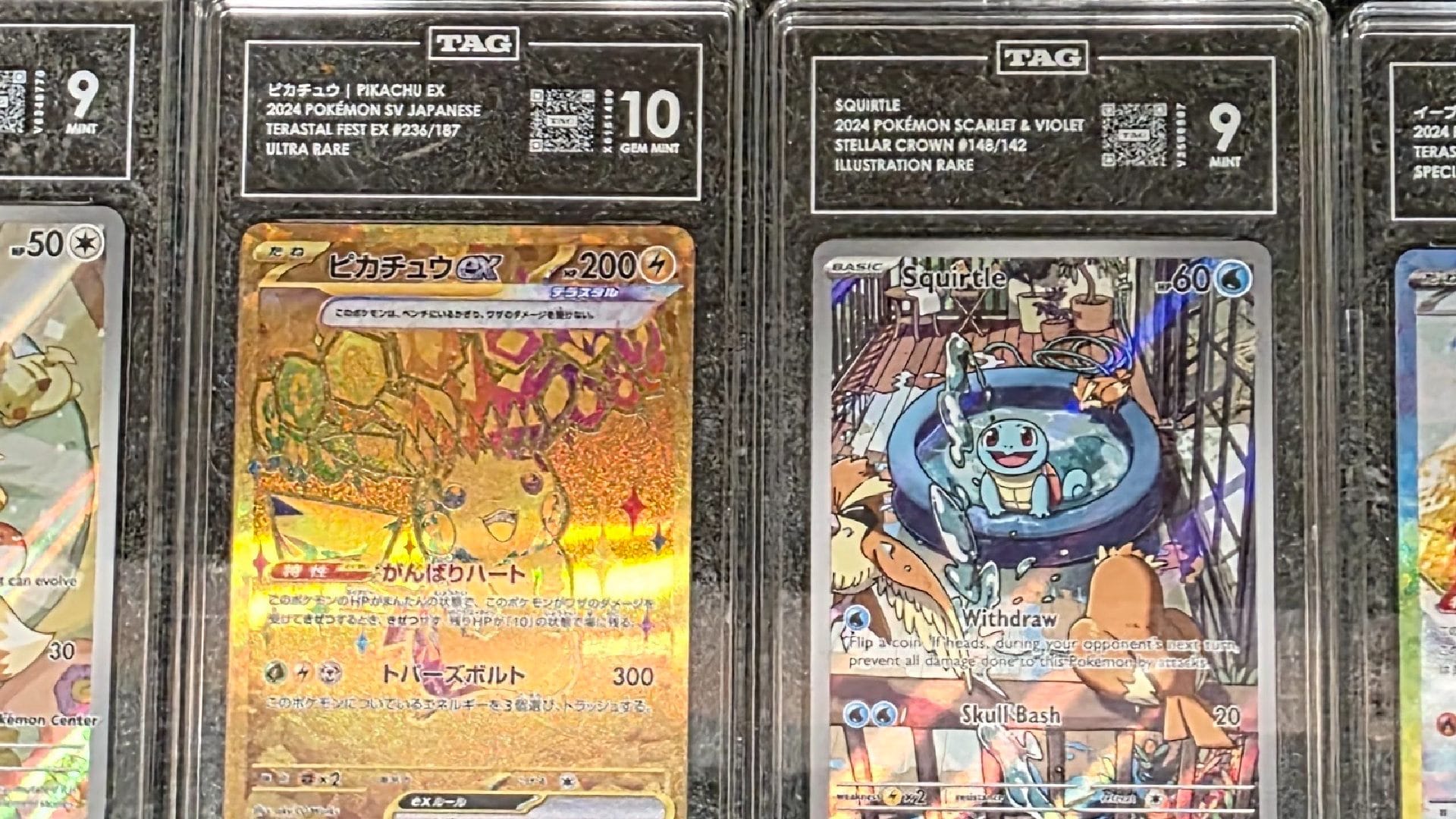
TAG - up and comer with the sleekest slabs
Pros:
- Sleek, premium-looking slabs
- In-depth grading reports
- PSA’s biggest competitor for modern cards
Cons:
- Reports of damage after imaging
- Slabs are very fragile
- High-tech imaging is a blessing and a curse
Despite being founded in 2010, TAG’s popularity has really surged in recent years, primarily thanks to a mixture of gorgeous slabs, social media marketing, and its high-tech imaging software that allows for very high-resolution images of your Pokémon cards. It’s a match made in heaven, combining BGS’s high requirements for higher grades with a slab that will suit your personal collection. In reality, well, things aren’t perfect.
Despite the gorgeous, sleek slabs that the company uses, they have a fatal flaw of being fragile. This isn’t good, especially considering that slabs aren’t solely for grading, but also preservation. High-tech imaging is great for ensuring that cards are solid on a surface and on a detailed level, but some collectors have reported surface damage appearing after imaging. TAG has the potential to be a big PSA competitor, but it requires a few major fixes in order to stick in the mainstream past the Pokéhype.
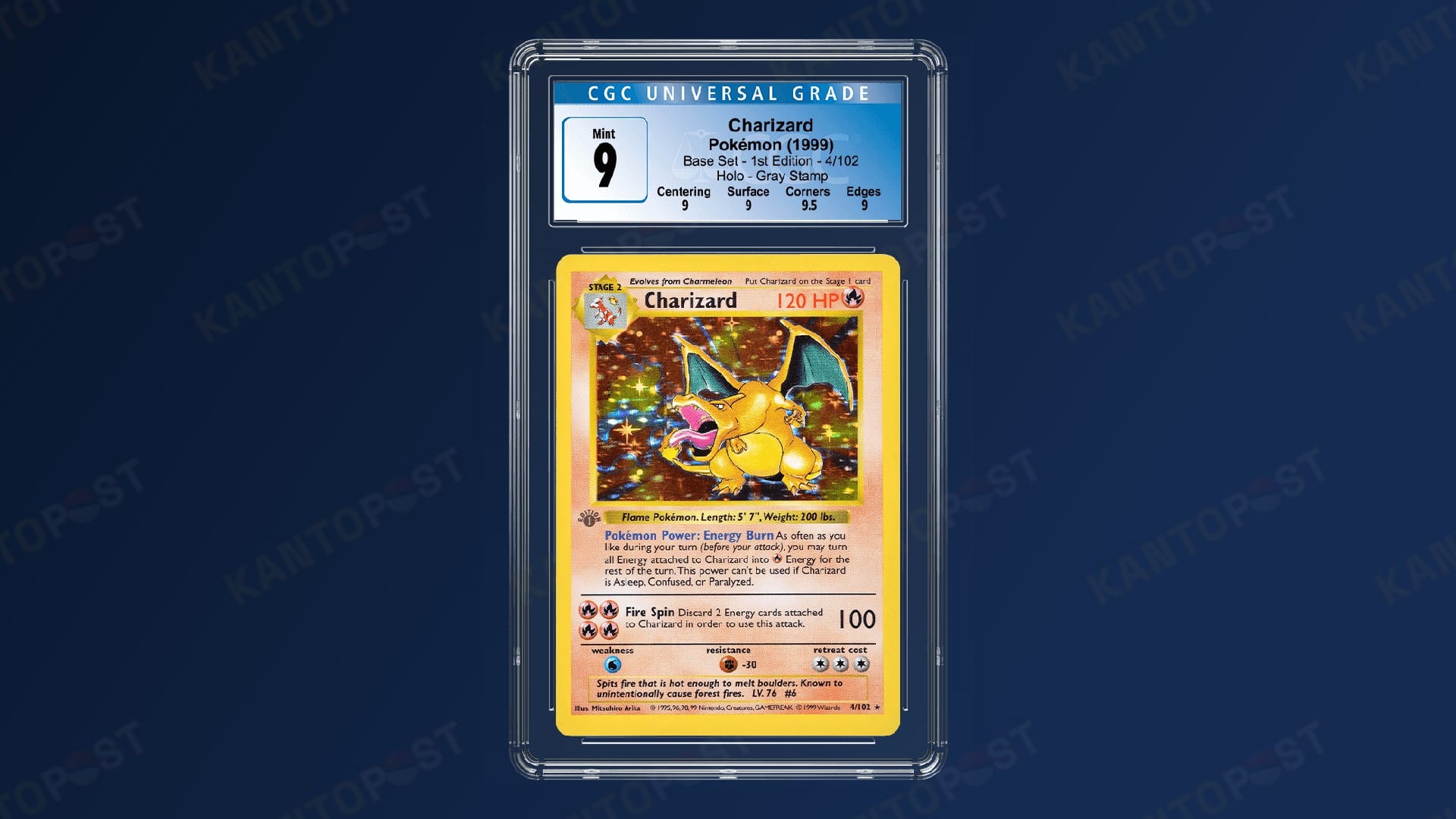
CGC - best for misprint and error cards
Pros:
- Authenticates and grades misprinted cards
- One of the most popular grading services
Cons:
- Recent controversies have hurt collectors’ trust
- Slabs are a bit bland
After two big controversies, CGC’s high acclaim is somewhat tarnished now, leading to the grading company becoming less respectable in the eyes of collectors. However, it might be down from its pole position, but it’s not out just yet - and as a misprint grader, it remains a surefire way to authenticate your error cards.
Authenticating misprint and error cards actually gives CGC a unique reason to grade with. For those who aren’t knowledgeable about factory errors, the difference between a damaged card and a misprinted one could seem similar - but with CGC’s official stamp on it, well, it proves that it's a genuine error. That means that, despite the controversies, CGC still has a reason to exist and still deserves a spot here.
FAQs
What is the best card grading service for Pokémon?
There’s no real definition for the best service, but the one that typically sells and is valued higher is PSA. While the BGS 10 (black label) can sell for ridiculous amounts higher than a PSA 10, the requirements for the latter are less strict, and, with PSA being around for a long time, they’re valued higher in the community and with buyers or sellers.
However, the true ‘best’ comes down to personal preference. Do you prefer quick sales? Well, PSA will be for you. If you love gorgeous slabs for a personal collection, you may opt for ACE or TAG. Out of personal preference, mine is ACE - but in all honesty, if I could get a couple of BGS black label cards, well, I’d be happy.
Why should I grade my Pokémon cards?
The main reason to grade your Pokémon cards is for protection and authentication. While it does increase the resale value, especially for higher grades with modern cards, it’s great for encasing your card in a hard, protective shell - and for vintage cards, it’s important for verification. There’s a good reason many of the cards on our most expensive Pokémon cards list are graded, even if the grades are low.
What grading service has the quickest turnaround?
The fastest turnaround depends on how much you’re willing to spend, as most grading companies offer premium express tiers. For UK collectors, ACE Grading is one of the quickest options, with its Ultra and Luxury tiers offering estimated seven and two-business-day turnarounds once cards are received.
In the US, CGC’s Quick Submit walk-in option can reportedly return cards within 24 hours if you have a Fanatics Collect Drop-Off partner nearby. PSA’s Walk-Through and Super Express services are also among the fastest mainstream grading options, although they come with very high submission costs.
Realistically, most premium grading tiers across PSA, BGS, CGC, and TAG end up sitting in a similar range. Personally, I think a seven to ten business day turnaround is more than reasonable unless you’re trying to flip a card immediately after release.


